Mechanics of Immersion
The engineering reality behind seamless escape rooms: robust sensor integrations, fail-safe magnetic latches, and silent game master automation.
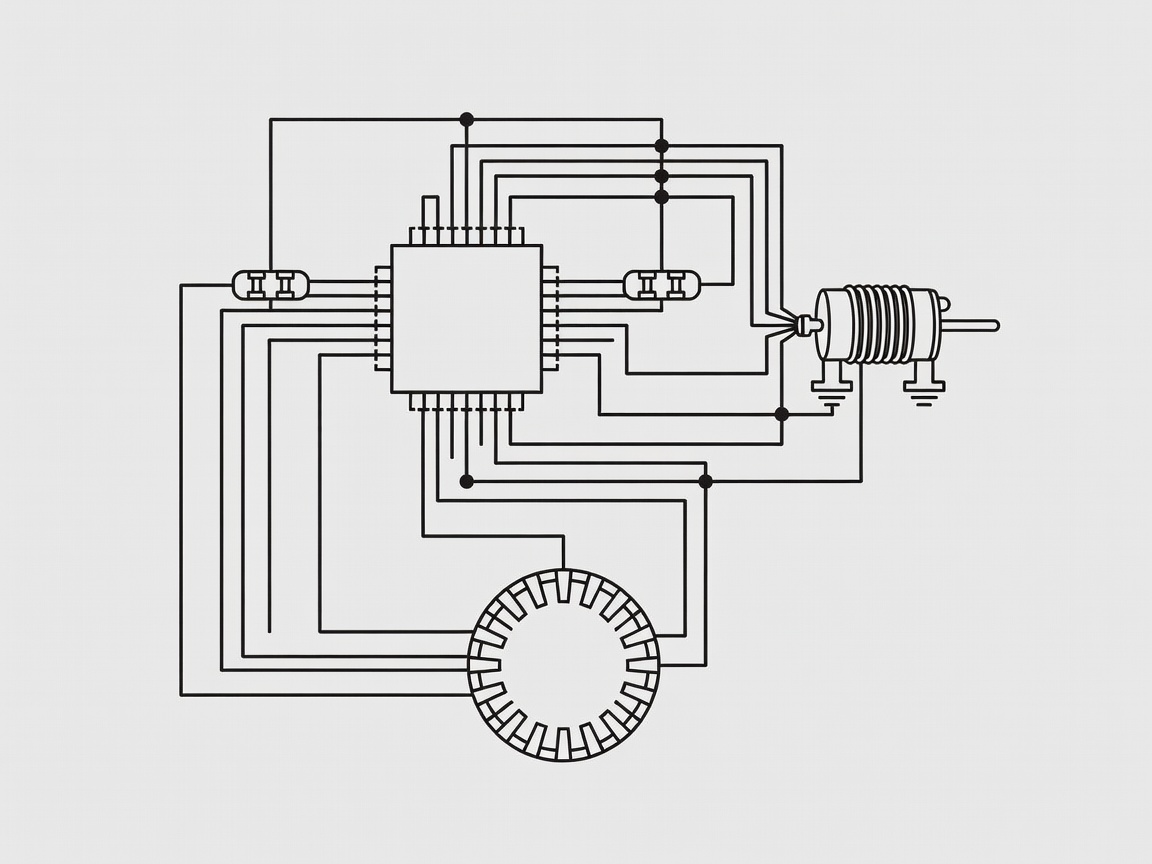
The Electromagnetic Mag-Lock Standard
Commercial escape operations rely on 12V or 24V fail-secure magnetic locks holding 300 to 600 lbs of force. Learn why emergency power cuts (tied directly into building fire alarm panels) are mandatory across every custom automated door.

Invisible Feedback: Hall-Effect & RFID
Padlocks break the fourth wall in historical rooms. By carving miniature neodymium magnets into vintage books and placing Hall-effect sensors under mahogany shelving, players trigger secret compartments simply by arranging volumes in chronological order.
Amateur escape rooms fill rooms with dozens of useless vintage objects to artificially inflate play duration. Master designers enforce strict Chekhov's Puzzle rules: every prominent object has purpose, meaning, or atmospheric weight. If an object is purely decorative, it is firmly bolted down or visually integrated so players do not waste cognitive energy dismantling furniture.
Soundscapes and Progressive Lighting Control
DYNAMIC DMX CUES
Automated ambient illumination shifting from serene warm incandescent to emergency strobe alerts upon puzzle completion.
DIRECTIONAL HAPTICS
Bass transducers mounted under floorboards rattling when players align massive mechanical bank vault cogs correctly.
DIEGETIC AUDIO CLUES
Hints delivered through walkie-talkies, tape recorders, or automated phone booth rings rather than unatmospheric overhead megaphones.